Description
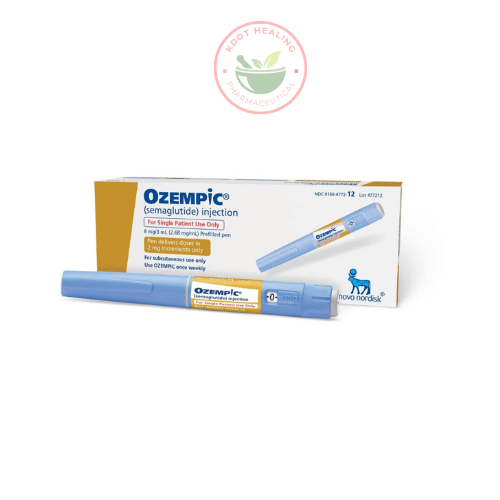
Ozempic 4mg Pen (Semaglutide)
Ozempic 4mg (Semaglutide) is a prescription medication used for managing type 2 diabetes and supporting weight management in adults. This guide provides a comprehensive educational overview of its uses, mechanism of action, dosing, side effects, safety considerations, and research insights. It is intended for educational purposes and healthcare reference, emphasizing safe and informed usage.
What is Ozempic 4mg Pen?
It is a GLP-1 receptor agonist that helps regulate blood sugar levels and may assist in weight management for patients with type 2 diabetes.
Key features:
-
Helps control blood glucose levels in adults with type 2 diabetes
-
May promote weight loss alongside a healthy diet and exercise
-
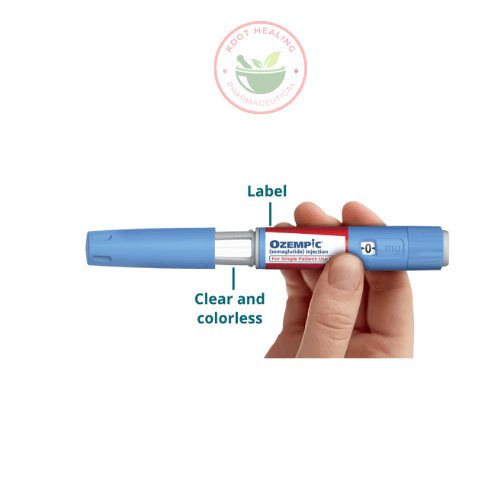
Administered via a once-weekly subcutaneous injection using a pre-filled pen
Important: It should only be used under medical supervision and is not suitable for type 1 diabetes or diabetic ketoacidosis.
How Ozempic Works?
Semaglutide mimics the action of the natural hormone GLP-1, which:
-
Stimulates insulin release when blood sugar is elevated
-
Reduces glucagon secretion
-
Slows gastric emptying
-
Promotes satiety and reduces appetite
These combined effects help patients maintain better blood sugar control while supporting gradual, sustainable weight loss.
Mechanism of Action
Semaglutide works by mimicking the GLP-1 hormone, which:
-
Stimulates insulin secretion in response to high blood sugar
-
Suppresses glucagon release, reducing glucose production by the liver
-
Slows gastric emptying, helping reduce appetite and support weight management
This dual action helps patients maintain better glycemic control while promoting healthier lifestyle habits.
Dosage and Administration
-
Delivered in a pre-filled 4mg pen for once-weekly injection
-
Dose and schedule must be determined by a healthcare provider based on blood sugar targets and tolerance
-
The pen should be stored in the refrigerator, and proper injection technique should be followed
Key Benefits of Ozempic 4mg Pen
-
Once-weekly injectable dosing
-
Clinically proven to lower HbA1c levels
-
Supports appetite control and weight reduction
-
Convenient prefilled pen for accurate dosing
-
Trusted and widely prescribed GLP-1 medication
Like Promethazine VC with Codeine, Ozempic is a prescription-only medication that must be used strictly under medical supervision. Both products are regulated due to their therapeutic potency and potential risks if misused. They are commonly dispensed through licensed pharmacies, require professional oversight, and are prescribed to address specific medical conditions rather than for over-the-counter use.
How Ozempic 4mg Pen Works for Diabetes Control
Ozempic 4mg Pen contains semaglutide, a glucagon-like peptide-1 (GLP-1) receptor agonist that helps improve blood sugar control in adults with type 2 diabetes. It works by stimulating insulin release when glucose levels are high, reducing glucagon secretion, and slowing gastric emptying to help regulate appetite and support consistent glycemic targets.
Used alongside proper diet and exercise, Ozempic also helps lower the risk of cardiovascular events (like heart attack or stroke) in adults with type 2 diabetes and heart disease, making it a cornerstone therapy for comprehensive metabolic management.
Benefits of Ozempic 4mg Weekly Pen
The Ozempic 4mg Pen delivers once-weekly semaglutide in a convenient pre-filled injectable format designed for accurate dosing and ease of use under medical supervision. Its formulation supports sustained glycemic improvement while aiding in appetite control, which may contribute to gradual, sustainable weight management when integrated into a holistic diabetes care plan.
Ideal for patients prescribed advanced diabetes therapy, this pen is a trusted option backed by widespread clinical use and a strong safety profile when monitored by a healthcare provider.
Common and Serious Side Effects
Understanding potential side effects is essential for safe use:
Common side effects:
-
Nausea or vomiting
-
Diarrhoea or constipation
-
Stomach discomfort or bloating
-
Mild headache
Serious side effects (seek immediate medical attention):
-
Pancreatitis (severe abdominal pain, vomiting)
-
Severe allergic reactions
-
Signs of thyroid tumours (rare)
-
Hypoglycemia, when combined with other diabetes medications
Safety Precautions and Handling
-
Only use as prescribed by a healthcare professional
-
Do not share pens between individuals
-
Store in refrigerator at 2 to 8°C before first use
-
Follow proper disposal guidelines for needles and pens
-
Discuss medical history with your doctor, especially pancreatitis, thyroid disorders, or kidney problems
Contraindications
-
Personal or family history of medullary thyroid carcinoma
-
Multiple endocrine neoplasia syndrome type 2
-
Severe gastrointestinal disease
-
Pregnancy or breastfeeding without medical supervision
Educational Insights on Ozempic
It is an important topic in endocrinology, diabetes management, and pharmacology education:
-
Demonstrates the GLP-1 receptor mechanism and its effects on insulin and glucagon
-
Highlights the role of pharmacotherapy in type 2 diabetes management
-
Supports research and academic discussions on weight management and chronic disease prevention
Who Should Use Ozempic?
Ozempic is intended for adults diagnosed with type 2 diabetes and for patients prescribed Semaglutide for weight management by a licensed healthcare provider. A valid prescription is required prior to purchase.
Conclusion
Ozempic 4 mg (Semaglutide) is a GLP-1 receptor agonist that helps manage type 2 diabetes and supports weight management. Understanding its uses, mechanism, dosing, side effects, and safety precautions is essential for educational and healthcare purposes. Kdothealing provides accurate and reliable information to support students, educators, and healthcare professionals in learning about diabetes management, pharmacology, and responsible medication use.
Frequently Asked Questions
1. What is Ozempic 4 mg used for?
Managing type 2 diabetes and supporting weight loss in adults.
2. How is Ozempic administered?
Via once-weekly subcutaneous injection using a pre-filled pen.
3. Can Ozempic be combined with other diabetes medications?
Yes, but only under medical supervision to avoid hypoglycemia.
4. What precautions should I take?
Store properly, follow injection instructions, and discuss medical history with your healthcare provider.
5. Is Ozempic safe for everyone?
It is not suitable for type 1 diabetes, diabetic ketoacidosis, or individuals with certain thyroid or pancreatic conditions.


Reviews
There are no reviews yet.